Every source, in the open.
Every AI is shaped by what it is fed. The Academy DB is the whole pantry: every document behind every subject the guides teach, with its source named, open to the families using it. Read it, vote on it, comment on it, and propose what should be there next.
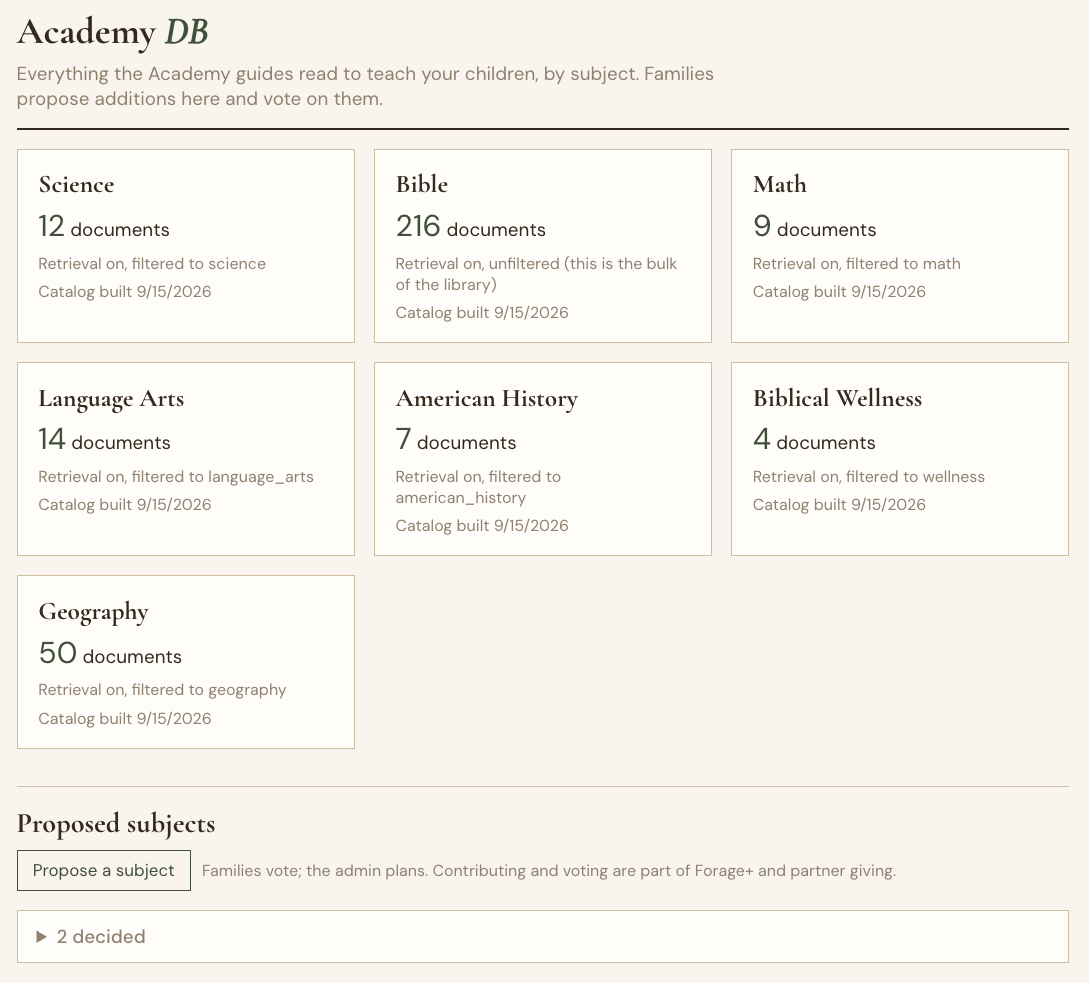
Plate I. The catalog, one card per subject, as a parent sees it.
Named sources, not a black box.
Open any subject and you are looking at the exact documents the guide retrieves from when it talks to your child: a creation-science paper, a chapter of an open textbook, the King James text, a primary source. Each one names where it came from. There is no hidden layer underneath.
This is also where the guides learn. Approved material joins the corpus the guides retrieve from during a conversation, today, and it is kept as the fine-tuning set for the subject models we are building, so what shapes the guide's instincts is what families can see. What never goes in: your child. Conversations are private, never used to train or fine-tune anything, ours included.
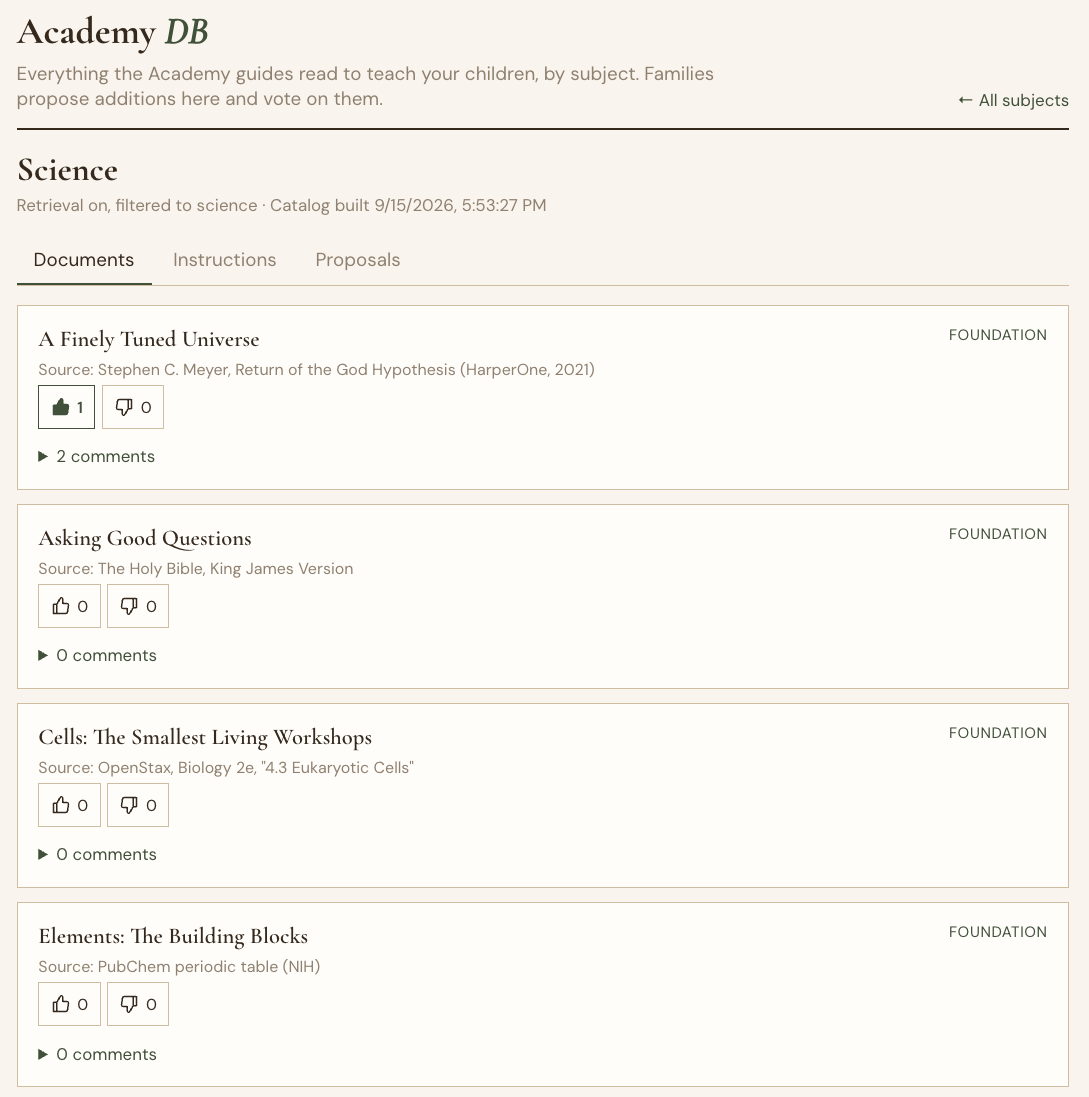
Plate II. Science, documents tab. Every entry carries its source and the family's verdict.
Vote on it. Say why.
A thumbs up or down on any document, one vote per family, changeable. A comment thread under each one, parent to parent: why a source is strong, where it is thin, what a younger child needs alongside it. Comments are for families; they never reach a prompt, the corpus, or a child.
The point is a curriculum that families shape together instead of one handed down. Where the votes go, the library follows, and the record of why stays attached to the document for the next family who reads it.
Propose what the guides should learn from.
A document you wrote, in your own words. A source you would like added: a book, a paper, a site, for our team to review. Everything is checked before it reaches a child, and a source that does not hold up is turned down with a reason, not quietly dropped.
Approved documents are ingested the same day and show up in the catalog with your family credited. Five submissions a day and ten open proposals per family keep the queue honest.
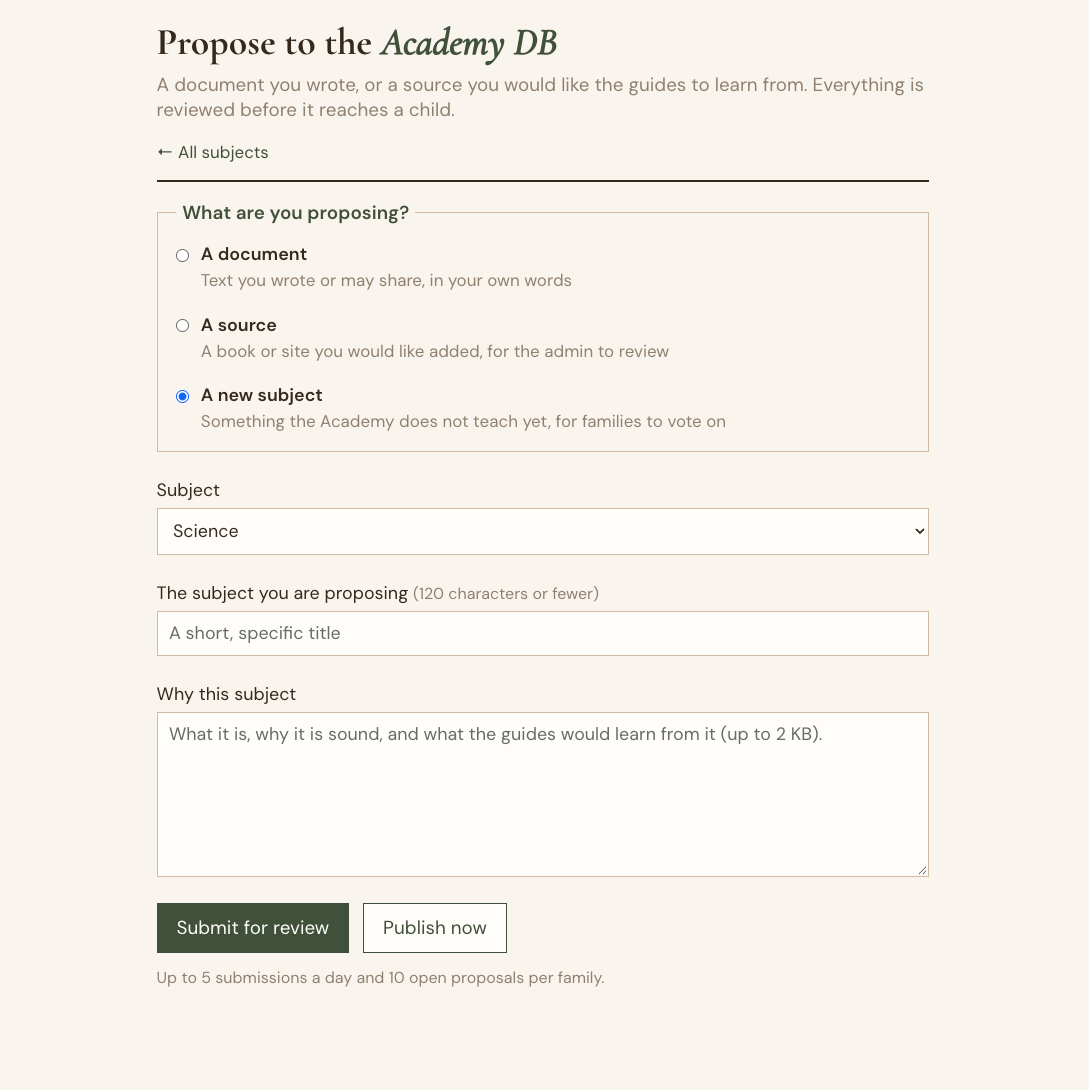
Plate III. The proposal form. A document, a source, or a whole subject.
Propose a subject. Watch it land.
Something the Academy does not teach yet: Latin, music theory, a state's history. Propose it, say why it is sound, and families vote. Our team plans the ones that win, in the open, and the proposal stays visible from the day it is filed to the day the subject opens.
Science, Bible, Math, Language Arts, American History, Biblical Wellness and Geography are open today. The next one is whichever families make the case for.
- 01
See
Every subject lists its documents and the instructions the guide follows.
- 02
Submit
A document, a source, or a subject; reviewed before it reaches a child.
- 03
Vote
Families vote, our team verifies, approved material joins the corpus and the fine-tuning set.
You should be able to read what your child's teacher has read. With a person, you cannot. With this, you can.
Read the pantry yourself.
The Academy DB is open to every family with an account. Contributing and voting are part of Forage+; reading is for everyone.